
A practical guide from Jeffrey White
Englewood by the numbers
Start with the one hard dataset in this comparison. In October 2026, Englewood recorded a median sale price of $525K, down 1.1% year over year, with 44 homes sold at a median of $339 per square foot. That profile — a mid-market median with a modest annual dip — describes a city where a first-time investor can still model a purchase without needing a market miracle to make it work.
Denver is not one market but dozens, and any single citywide figure hides more than it reveals: prices, rents and property types swing sharply between neighbourhoods. That variety is Denver's strength for experienced buyers and its trap for beginners, who can overpay in the wrong pocket while chasing the right city name. Englewood's smaller scale makes its pricing easier to learn street by street.
What your money buys in each
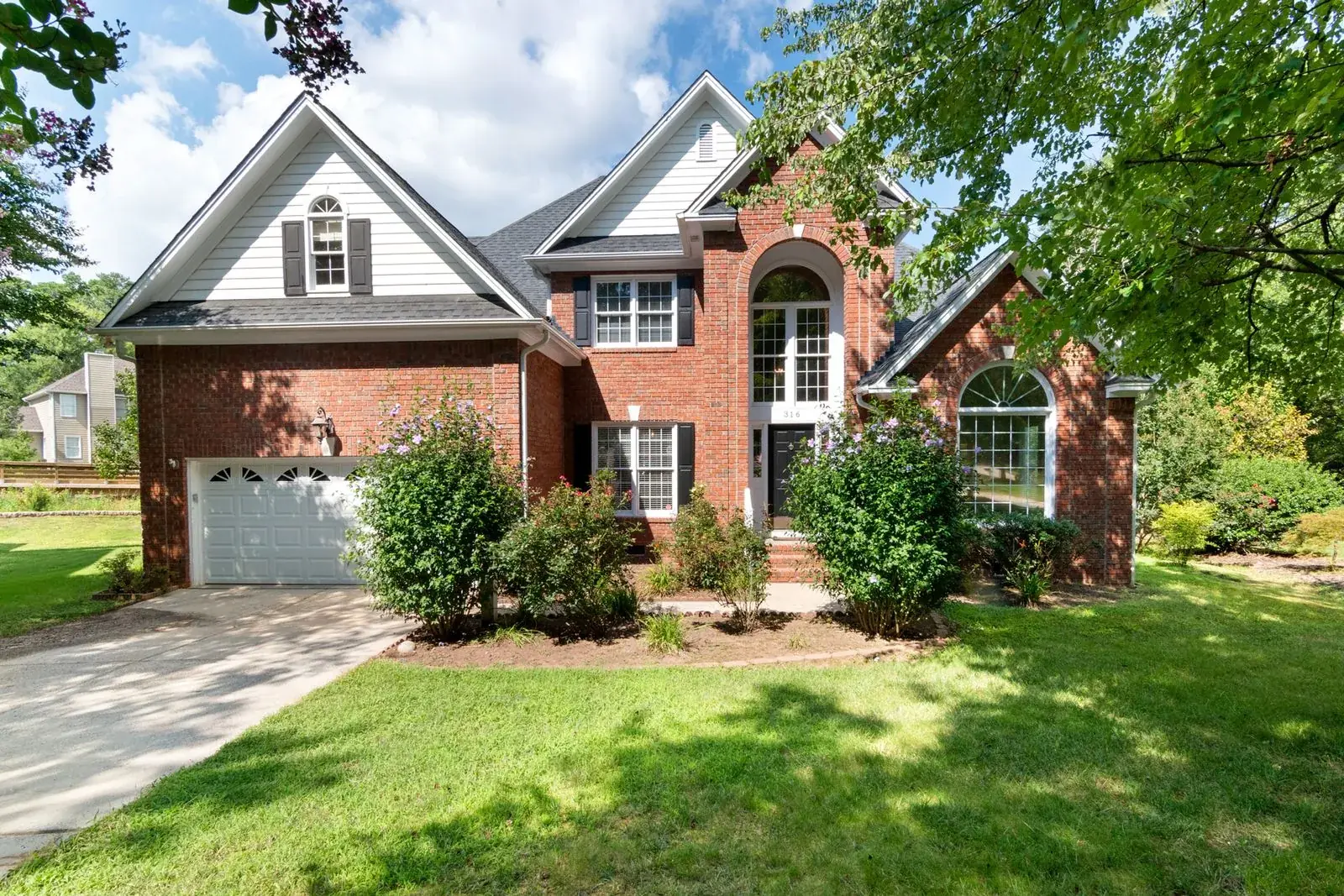
Englewood's housing stock leans toward mid-century single-family homes, brick ranches, and a scattering of small multifamily and duplex-style properties — the exact raw material of house hacking and rent-by-room strategies. Lots tend to be workable, garages and basements are common, and many homes sit within a short drive or light-rail ride of central Denver employment.
Denver offers everything Englewood has plus much more: condo buildings, townhome complexes, larger apartment stock and new-build product. That range suits investors executing a specific niche — a condo strategy, a student-rental play near a university — but each niche carries its own HOA, zoning and financing wrinkles. Our city guides for Englewood and Denver break down the stock and strategy fit in detail.
The rules differ across the city line
Regulation is where the two cities genuinely diverge, and it matters most for house hackers. Denver operates a residential rental licensing programme covering rental properties citywide, and its short-term rental rules restrict STRs to a host's primary residence. If your strategy leans on licensing-heavy models — nightly rentals, mid-term furnished stays — Denver's rulebook is the stricter read.
Englewood administers its own municipal rules for rentals, zoning and accessory units, which differ from Denver's in the details. Different does not mean absent: verify Englewood's current requirements with the city for your exact property and model before you buy, and do the same in Denver. Investors get in trouble assuming a rule from one side of the city line applies on the other.
Rents, tenants and what drives returns
Both cities draw from the same metro tenant pool — professionals commuting across the south metro, medical and tech workers, and renters priced out of buying. Englewood's pitch to that pool is value and access: comparable space at a lower purchase basis, with the light-rail corridor and Broadway amenities doing the lifestyle work. Denver's pitch is depth: more employers, more neighbourhoods, and a deeper bench of tenants for specialised rentals.
For returns, the practical difference is basis. A lower purchase price in Englewood means the same rent covers more of the mortgage, which is why house hacks pencil more easily there. Denver purchases more often lean on appreciation and rent growth over time. Neither is wrong — but they reward different holding periods and different reserves.
A decision framework for your first purchase
Choose Englewood first if your budget sits near or below its median, your strategy is a house hack or long-term rental, and you want numbers that work on today's rents rather than tomorrow's growth. Choose Denver first if your strategy depends on a specific niche — a campus, a hospital district, a condo building — or if your budget comfortably absorbs Denver pricing in a neighbourhood you know deeply.
Jeffrey White is based in Englewood, holds 30 five-star reviews, and has closed 118 sales totalling $71M across both markets. That dual fluency is the real shortcut: an agent who can tell you when the Denver listing is the better buy — and when the Englewood one quietly beats it.
Important: This article is for general educational purposes only and is not legal, tax, lending, insurance, financial, or investment advice. Rules, programs and market conditions change. Verify current information and consult appropriately licensed professionals before making decisions.